

Kat Setzer: Director of Programming on Shaping Queer Stories at image+nation 38th Edition.
A conversation on new narratives, community, and the power of intentional curation

Back for its 38th edition, Canada’s first queer film festival, image+nation, once again presents new, nuanced, and powerful narratives that continue to shape queer cinema. From documenting and archiving the legacies of queer activists who laid the groundwork for Canada’s LGBTQ+ movement in titles like Parade: Queer Acts of Love & Resistance, to celebrating artists in Celestial Queer: The Life, Work and Wonder of James MacSwain, and featuring stunning Indigiqueer voices in programs like Starwalker and Rising Through the Fray, the festival continues to advocate for the diverse and beautiful facets of queer experience while fostering meaningful conversations about community, resistance, and futurity.
In this conversation, I sit down with Kat Setzer, the festival’s Director of Programming, for an illuminating deep dive into this year’s thematic currents, the evolution of emerging narratives, and the artistry behind curating an intentional film festival.
We are an independent publication dedicated to conversations like this with artists, filmmakers, and cultural makers who are constantly shaping the world around us. Please consider supporting us here. Follow The Produced on Instagram.
The Produced: Kat, thank you so much for being here. Threading the program of image+nation this year, it’s built around this idea that the personal is the political, specifically in the context of telling the stories of queer and Indigenous communities. When curating that landscape, how do you balance the two sides of the coin: telling intimate stories but still resonating with larger, more universal themes? What are the guiding principles of this year’s programming?
Kat Setzer: That’s a really great question, and thank you very much for asking it. I have always believed that representations are political and representations are power. In the context of film and storytelling, the political act is telling and sharing, vision and experience, with whatever intersectional identities you carry.
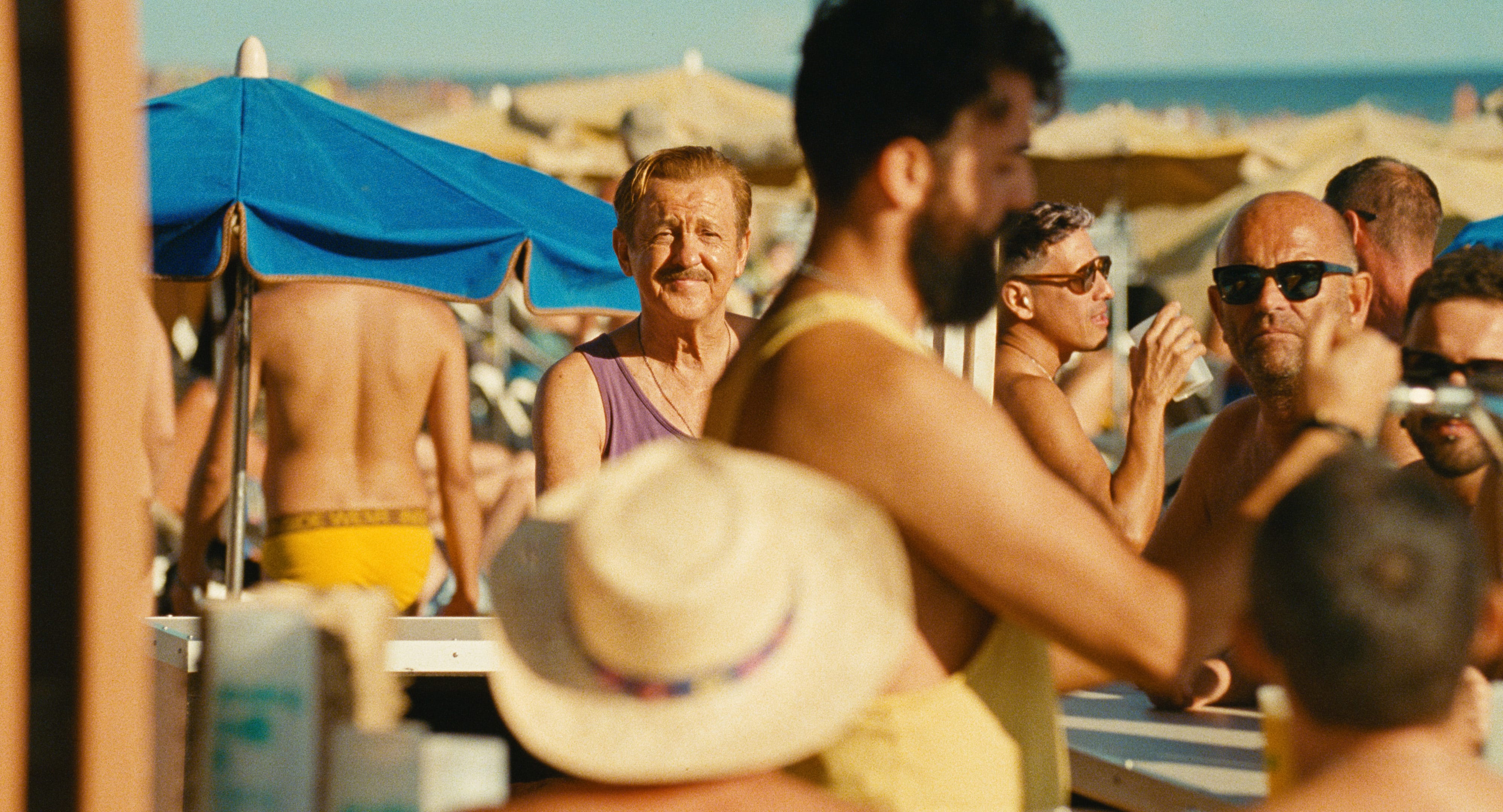
It is about seeing representations of queerness, of Indigenous queerness, of the myriad social, political, and cultural elements that make us who we are, depending on which identities are foregrounded or amplified. In the case of our festival, we are highlighting underrepresented queer voices. This year specifically, as you mentioned, we have a spotlight on Indigiqueer voices.
In your years of experience working at the festival, how have you seen storytelling tendencies change? What kinds of risks have you noticed filmmakers taking, especially as the landscape has become more emboldening and enabled them to be even more vulnerable in laying bare their stories?
I’ve been in this position for over 20 years, and it is a great privilege to be part of this community of helping amplify Canadian queer cinema and queer cinema more broadly. In that time, I’ve observed many shifts. Yet, what has remained really, really true is that representations on film reflect what is happening culturally or what is happening in the zeitgeist of the moment. As we witness various issues around queer rights, human rights, or whatever the battle of the day is (and there’s one every day)–those things are reflected in the cinema created by queer artists.
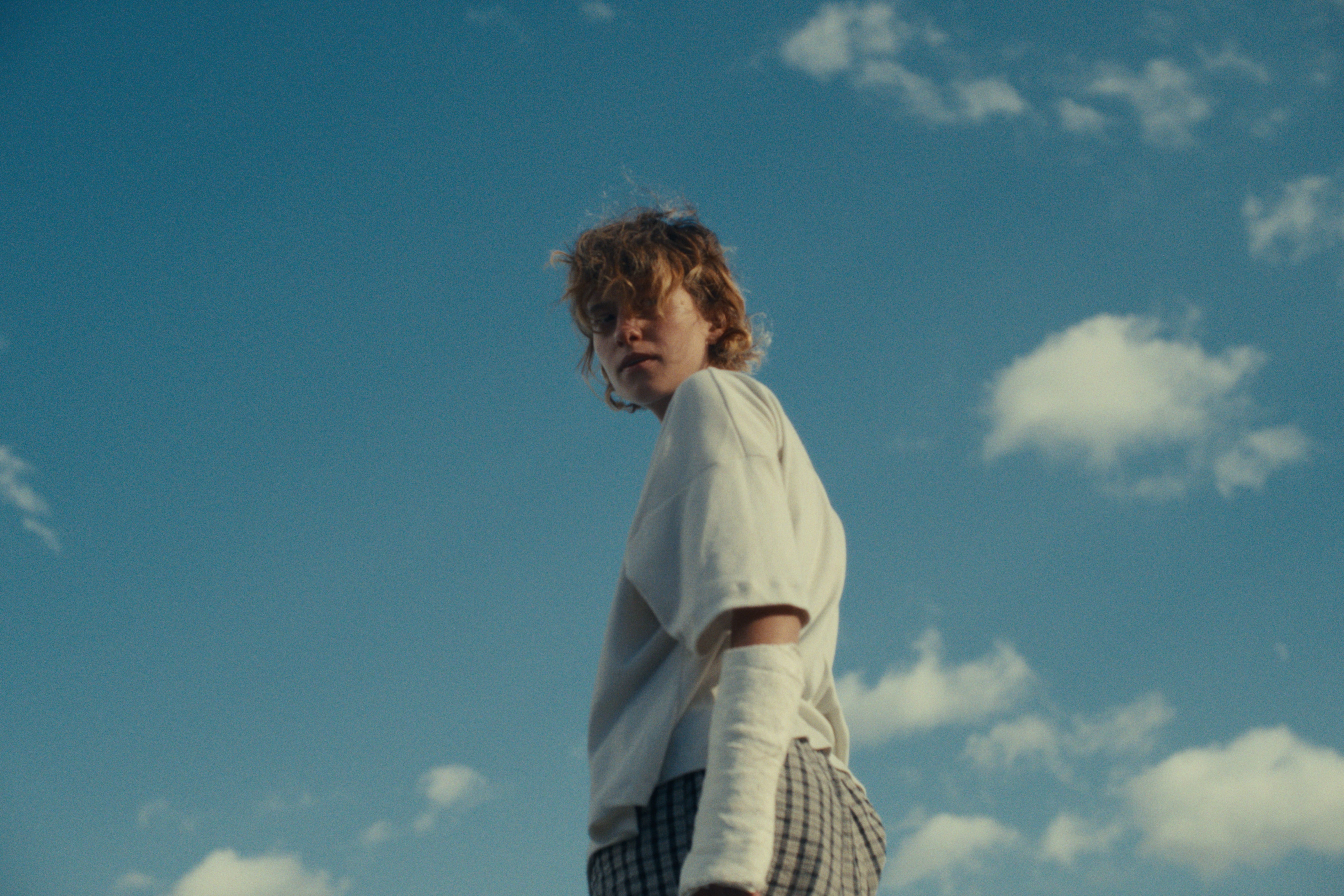
In particular, I’ve witnessed a powerful trajectory around trans and non-binary stories and representations. The first wave that emerged, around 20-25 years ago, was largely about the power of transition. Those stories were very much personal documents, and the act of sharing: this is my experience, and this is me becoming my true self through this literal process of transitioning. Interestingly, around 20 years ago or less, trans was not even the term in use. The language was M to F or F to M, and trans was still tied to transsexual, and then to slurs and all those derogatory terms of the past. So trans, much like queer, was reclaimed as a way of naming ourselves, rather than being named by others. And I find that very powerful.
That’s incredibly beautiful. On a personal level, how does this shift make you feel?
Though our stories have always existed, they were not being expressed on screen 20 years ago. I find that absolutely moving and essential to be able to see my people’s stories on screen and to witness the evolution of a community rising, taking space, and sharing stories.
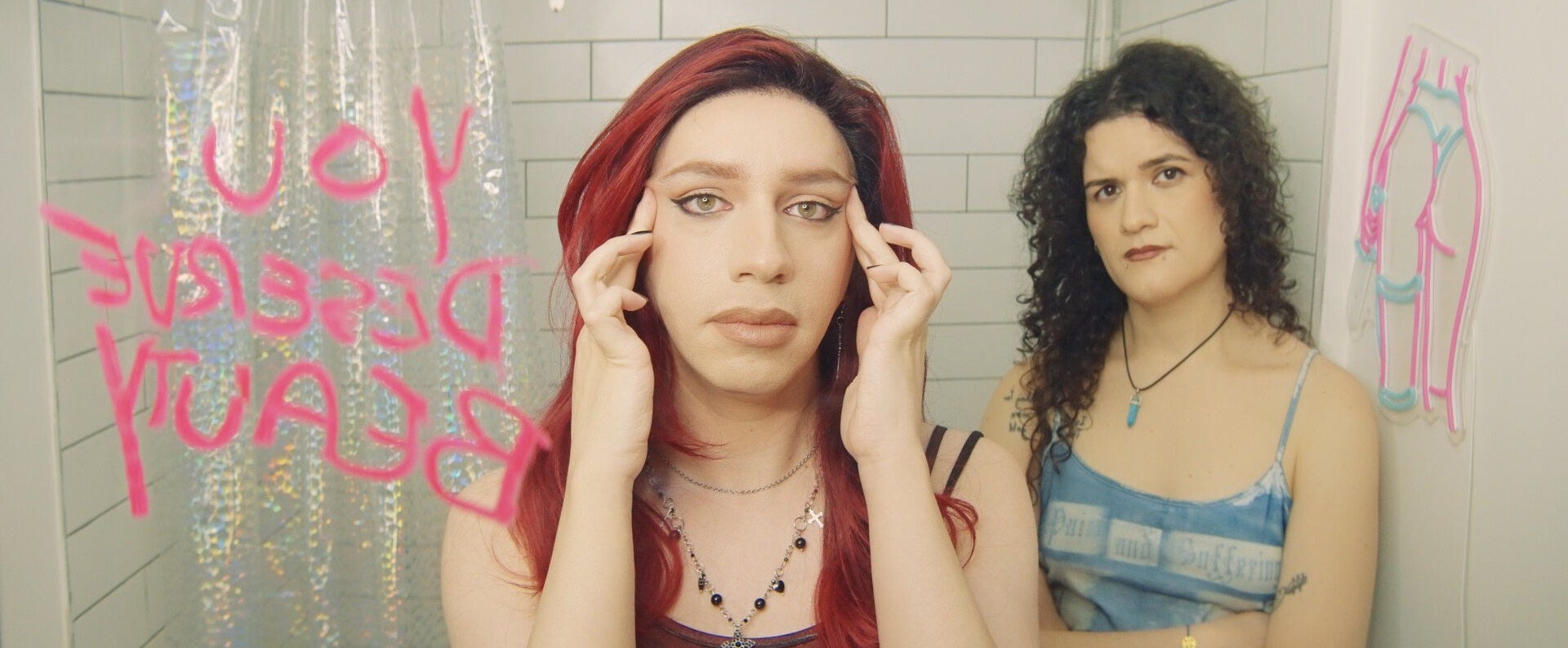
Speaking more directly about the power of representation and politics, we had one of our signature programs last night: our local shorts program. There was a short film by Quebec filmmaker Kaye Adelaide called TransVengeance It’s a genre film, horror and slasher, and carries just an incredible message. There was a line that said, “Oh, you’re becoming a trans terrorist,” and the film takes that phrase and turns it into a powerful act. One of the final shots shows a character looking out over a cityscape, half of her head cut off because it’s a slasher film, and says: “I’m coming for you, motherfuckers.” It’s this exciting and powerful moment that binds together a bit of camp humour with a resounding declaration of our existence: we are here, these are our stories, they matter, and we are screaming from the rooftops.
I want to latch onto what you mentioned about documenting personal histories and experiences. I got to watch Anita Louise and the Wild Women, which is an intimate and personal documentary about a woman who devoted the last five decades of her life to photographing Nova Scotia’s queer and trans community.
This film, alongside others, draws heavily from community archives and what it means to document history, not from a place of power, but from a place of being embedded in these communities. How do you imagine the landscape of archiving history with the camera in 2025 and onward?
This year, as I mentioned earlier, there is a spotlight on Indigiqueer voices, but equally important is a series of shorts focused on documenting queer histories. That’s a perfect example of the significance of community archives and the role of archiving. It comes with this realization: if we are not actively part of archiving and relaying our stories–in keeping the ephemera, the zines, all the materials that document our history–we risk our experiences being erased.
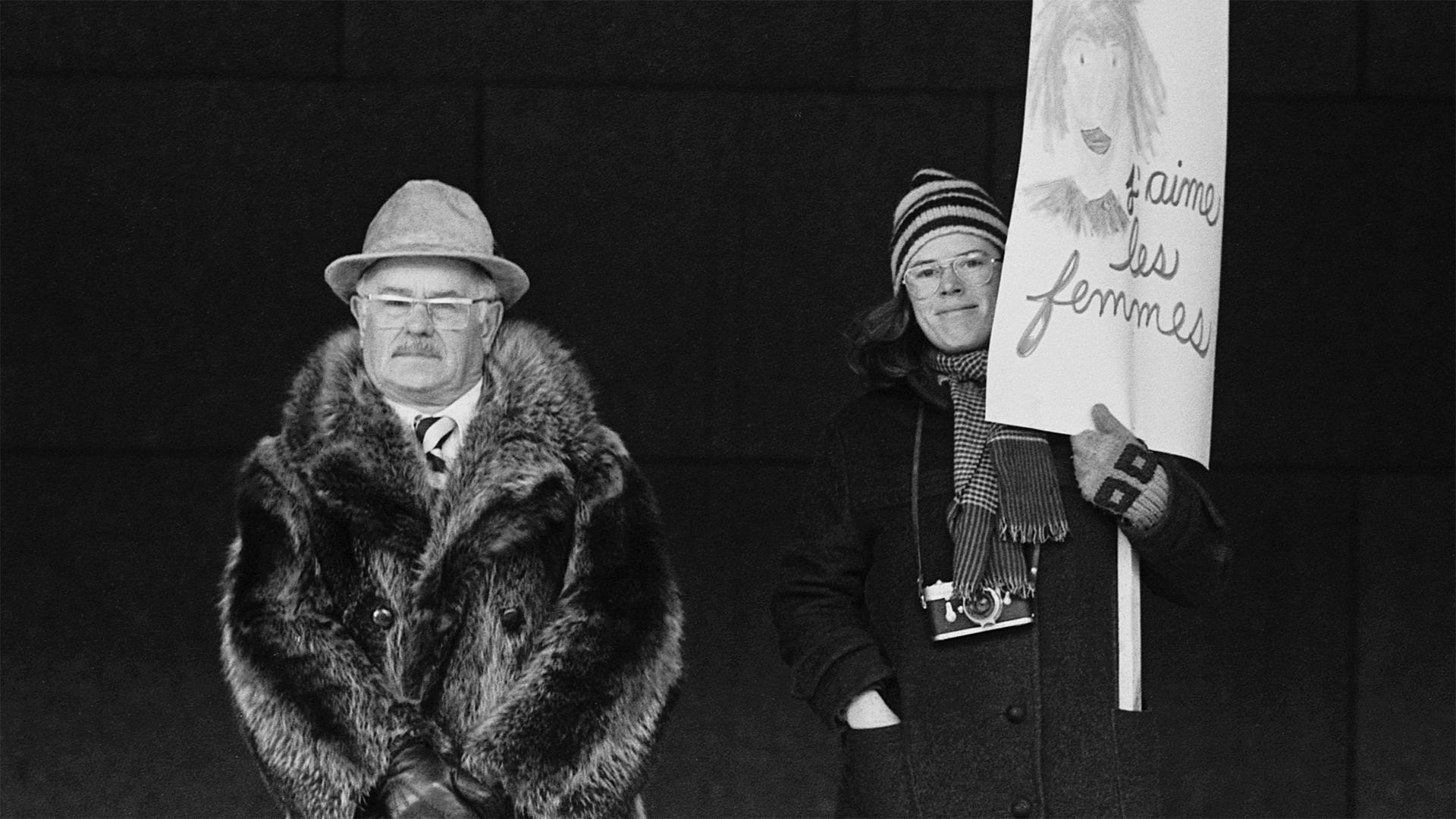
We’re also seeing some of our queer elders, the activists from the 70s and 80s, when the AIDS crisis hit, passing away. Those key activists are the reasons why we are as we are with our true selves, so their legacy must be recorded, traced, and preserved. Moving forward, we will need to continue this practice so that our stories remain intact, not just in our own archives but also in the larger public record.
It makes me excited already to see it happening because I believe there is an urgency in recording histories of key figures who have passed away or don’t have much time left: it’s hard to know that their history is potentially not told in any way. In this way, we create avenues for following generations to learn, not only about their elders, but essential tools for resistance.
When you started programming the festival this year, what were the core conversations that kicked off the process of selecting films, curating programs, and placing the films where they belong?
There are a few things that intersect, but in many ways, it all starts with the films. You can’t force the idea: it’s about seeing what is being produced and created. From there, it’s just pure joy. It’s a wonderful and exciting experience to trace the preoccupations of this year, what people are talking about, and to bring things together that way. So, it always goes back to the films being our starting point and anchor.
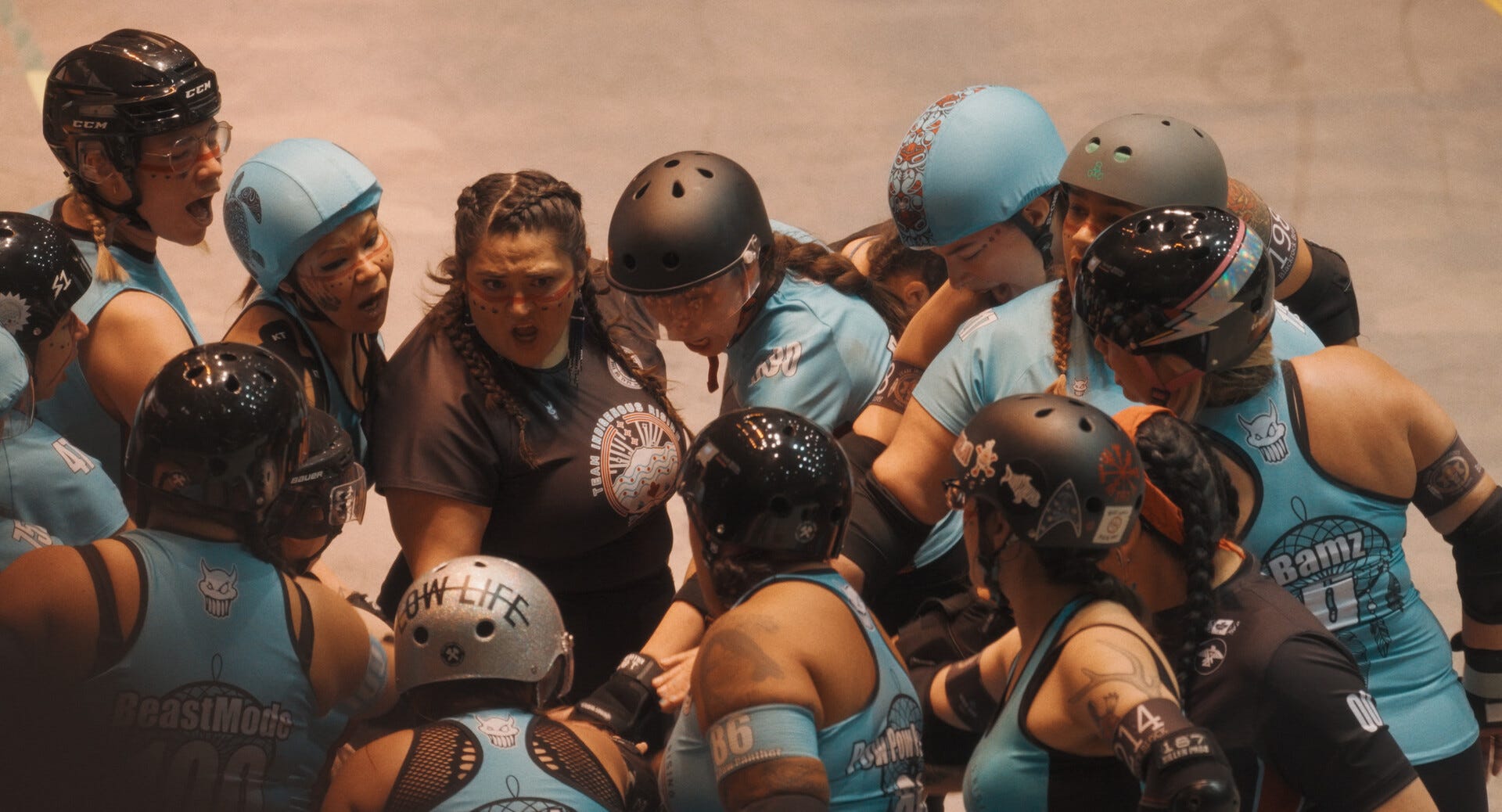
I also watched Corey Payette’s Starwalker and Noam Gonick’s Parade: Queer Acts of Love & Resistance, which are two profound examples of another element highlighted in your programming this year: queer joy and celebration while acknowledging the histories. How important is it to include these pockets of nuanced, diverse experiences that challenge and complicate conventional understanding of what queer experiences look like?
We’ve spent a lot of time discussing politics, the idea about the personal is political, and tying storytelling into an activist lens or struggle-based narratives. But it’s equally crucial to celebrate and embrace joy. Queer joy, itself, is a term that counters all the strife and shows us that we need happiness, we need celebration, because those things themselves are resistance, too.
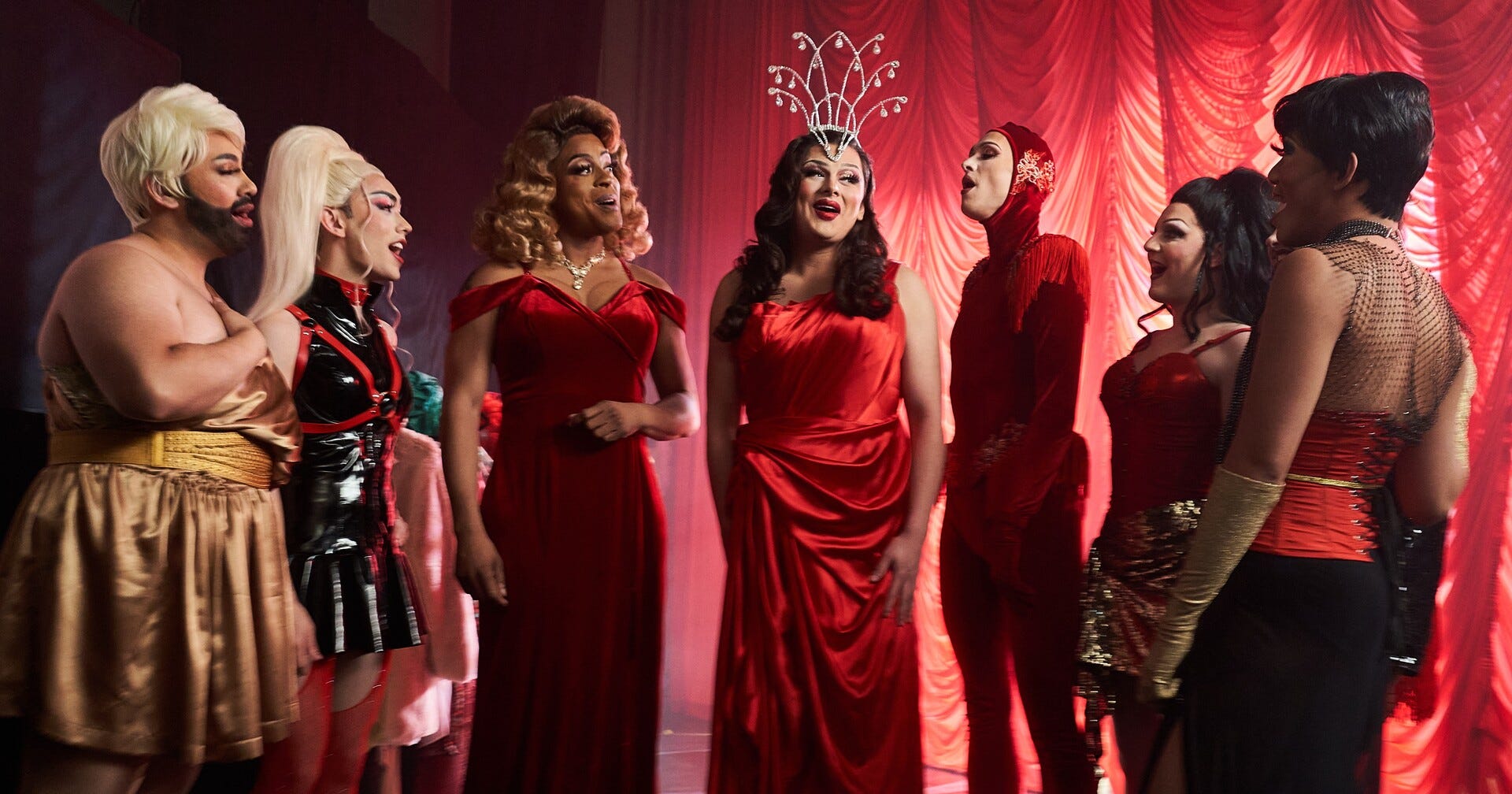
Going back to TransVengeance, the film I mentioned earlier, that’s an example of queer joy. It makes us feel uplifted, riled up, and proud to be part of this beautiful queer world. Celebration is key–for our mental health, for our survival, especially in the time we live in now. It allows us to feel each other.
That also speaks to the role of a festival, especially a vibrant and impactful one like image+nation, in facilitating realizations and insights that might otherwise remain less visible or legible.
Well, I think that’s exactly queer joy! Sitting in a room, watching yourself on screen, surrounded row by row by your community, are acts of queer joy. It’s magical. These moments of coming together and collectively experiencing our stories are both celebratory and powerful.
Kat, it’s been such a pleasure chatting with you. Before you go, I have a two-fold question: first, are you hopeful? And if yes, what makes you hopeful?
I want to be hopeful. Personally, I can go to very dark places. My existence on this planet has had its challenges, and I try really hard to incorporate things into my life that activate hope and hopeful feelings. One of those things, for me, is being in the middle of the results of a year’s worth of incredibly hard work by so many people. Being in those rooms, hearing engaging Q&As, watching people revel in the films, witnessing queer cinema’s joy and visual pleasure: I do feel hopeful right now.
We are an independent publication dedicated to conversations like this with artists, filmmakers, and cultural makers who are constantly shaping the world around us. Please consider supporting us here. Follow The Produced on Instagram.